
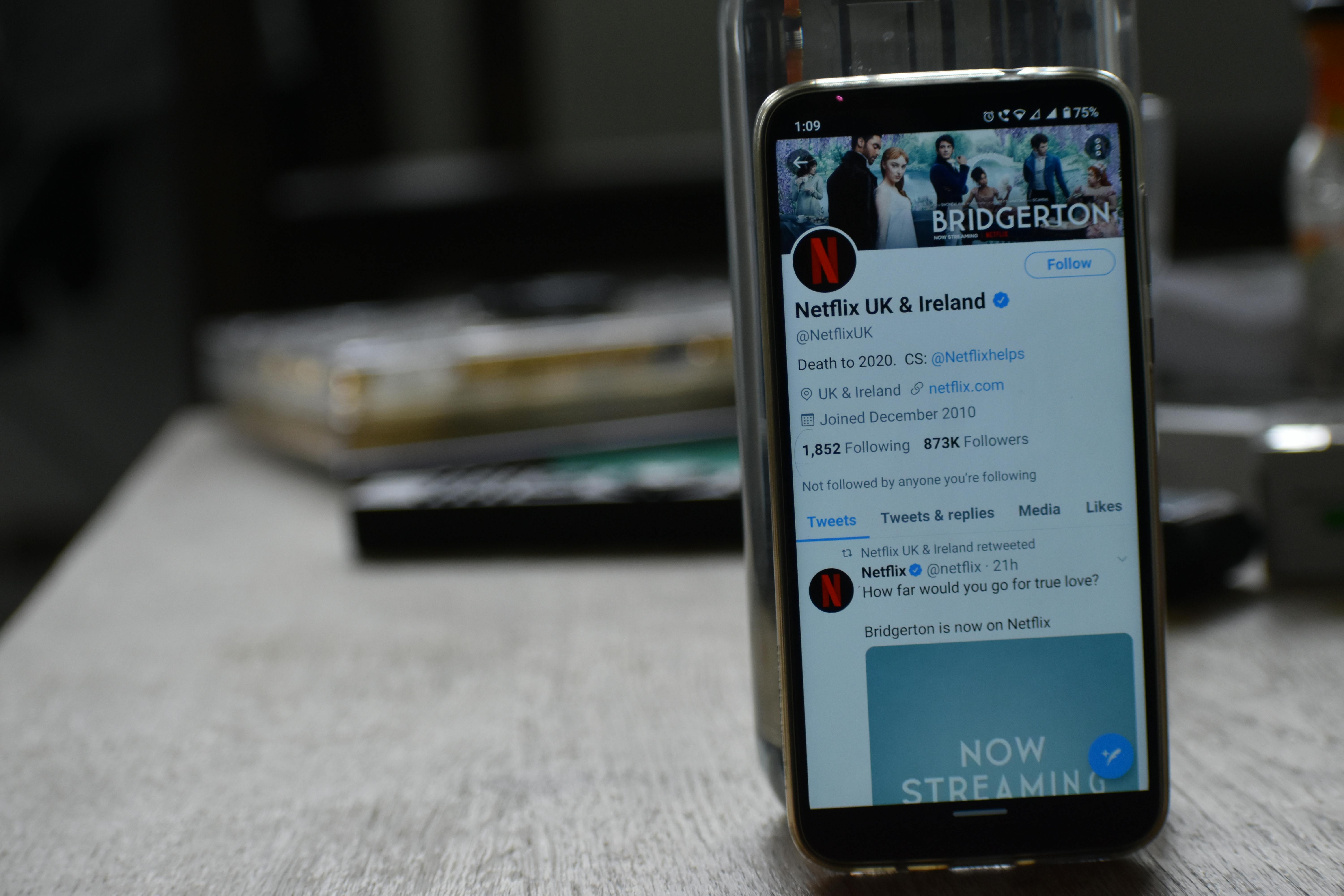
Navigating the hyper-fragmented streaming landscape of 2026 requires savvy strategies. Discover the best streaming bundles, ad-supported tiers, and premium content options to optimize your entertainment budget and maximize value. This guide helps you compare products, book services, and make smart subscription choices for the ultimate viewing experience.
Introduction to the Topic
Welcome to 2026, where the golden age of streaming has matured into a complex, often bewildering labyrinth of choices. Gone are the days when a single Netflix subscription satisfied all your entertainment needs. Today, we stand at the precipice of streaming hyper-fragmentation, a phenomenon where countless platforms, each vying for your attention and wallet, have created a paradox of choice. For the average household, managing multiple subscriptions has become a monthly chore, leading to subscription fatigue, rising costs, and the nagging feeling that you’re either paying too much or missing out on essential content.
In this dynamic environment, mediatalks.de understands that our readers aren't just looking for content; they're looking for value, efficiency, and smart financial decisions. This comprehensive guide is meticulously crafted to empower you, the modern consumer, to navigate the 2026 streaming landscape with confidence. We'll delve into the latest trends, evaluate the most promising options, and equip you with the knowledge to cut through the clutter, optimize your spending, and ensure you're getting the absolute best entertainment for your money. Prepare to unlock a world where premium content doesn't have to mean premium prices, and where smart choices lead to unparalleled viewing pleasure.
Backgrounds & Facts
The journey from streaming’s nascent beginnings to its current state in 2026 has been nothing short of revolutionary. What started with a handful of pioneers like Netflix and Amazon Prime Video has exploded into an ecosystem teeming with dozens of major players and hundreds of niche services. This fragmentation is driven by several key factors:
- Content Wars Escalation: Every major studio and media conglomerate now operates its own direct-to-consumer platform, pulling their valuable intellectual property from competitors. This has led to an unprecedented investment in original content, driving up production costs and, consequently, subscription fees.
- The Rise of Tiered Pricing & Ads: By 2026, ad-supported tiers (AVOD) and even entirely free ad-supported streaming TV (FAST) channels have become mainstream. Platforms like Netflix, Disney+, and WBD Max now offer cheaper, ad-inclusive options, recognizing that not every subscriber can or wants to pay top dollar for an ad-free experience. This strategy aims to broaden subscriber bases but adds another layer of complexity for consumers.
- Subscription Fatigue & Churn: Studies in late 2025 indicated that the average household in Europe now subscribes to 4-6 paid streaming services, with many experiencing 'subscription fatigue.' Churn rates have stabilized slightly but remain a significant concern for platforms, as users actively rotate services to catch specific shows or take advantage of promotional offers.
- AI-Driven Personalization: Artificial intelligence has moved beyond basic recommendations. In 2026, AI is deeply integrated into content discovery, personalized ad targeting, and even dynamic pricing models. While enhancing user experience, it also creates echo chambers, making it harder to discover content outside your algorithmic bubble.
- Bundling as a Counter-Measure: To combat fragmentation and churn, major players are increasingly offering attractive bundles. The success of packages like the Disney+/Hulu/ESPN+ bundle has set a precedent, pushing other conglomerates like Warner Bros. Discovery and Paramount to craft their own multi-service offerings, often at a significant discount compared to individual subscriptions.
These trends paint a clear picture: the streaming market of 2026 is less about finding a single service and more about strategically assembling a personalized portfolio of entertainment options that align with your viewing habits and budget. Understanding these shifts is the first step towards smarter streaming.
Expert Opinion / Analysis
“The streaming landscape of 2026 is a battlefield, and the consumer's wallet is the prize,” states Dr. Anya Sharma, a leading media economist and consultant for mediatalks.de. “Platforms are no longer just competing on content; they're competing on value perception, user experience, and ultimately, stickiness.”
Dr. Sharma elaborates on key strategic shifts:
- The Bundling Imperative: “We’re seeing a clear move towards consolidation through bundling. It's a win-win: platforms reduce churn by offering a more comprehensive package, and consumers perceive greater value. The next generation of bundles isn't just within a single media empire; we anticipate cross-company partnerships, perhaps even telecom providers integrating streaming bundles directly into their broadband packages, further simplifying billing and potentially offering deeper discounts. Think 'Entertainment Super-Bundles' that include internet, mobile, and multiple streaming platforms.”
- The Ad-Supported Renaissance: “The initial apprehension towards ads in premium streaming has largely faded. Consumers, facing rising living costs, are increasingly accepting of ad-supported tiers as a viable alternative. The key differentiator for 2026 is the sophistication of ad targeting. AI-driven contextual ads are becoming less intrusive and more relevant, making the ad experience almost a part of the content discovery process for some users. However, the premium ad-free experience remains a strong draw for those willing to pay the extra cost, creating a clear two-tier market.”
- Aggregators as the New Gatekeepers: “Beyond direct bundles, aggregator platforms like Apple TV Channels, Amazon Prime Video Channels, and emerging third-party 'StreamHub' applications are gaining traction. These platforms simplify content discovery and subscription management, offering a single point of access and often exclusive pricing on certain channels. They are becoming the new gatekeepers, curating the fragmented landscape for the user.”
- Niche Dominance and Hyper-Specialization: “While the major players battle for mass market dominance, niche services continue to thrive. Platforms catering to specific interests – from horror (Shudder) and arthouse cinema (MUBI) to anime (Crunchyroll) and regional content (BritBox, Deutsche Welle) – are finding loyal audiences willing to pay for highly curated libraries. The smart consumer will learn to leverage these for specific viewing periods, subscribing only when their desired content is available.”
“Ultimately,” concludes Dr. Sharma, “the power has shifted back, in part, to the consumer. With so many options, those who understand the market dynamics and are willing to be strategic can truly optimize their streaming experience and save significant money.”
💰 Best Options in Comparison (VERY IMPORTANT)
In 2026, simply subscribing to every service is a recipe for financial strain and content overload. The smart move is to adopt a strategic approach tailored to your viewing habits and budget. Here are the best strategies to maximize your streaming value, followed by a detailed comparison table:
-
Option 1: The Premium Power Bundle Strategist
For those who desire the broadest range of high-quality, ad-free content from major studios without the hassle of managing individual bills. These bundles offer significant savings over subscribing to each service separately and often include exclusive features like 4K HDR streaming or enhanced audio options. Look for packages that combine services from the same media conglomerate, as these tend to offer the deepest discounts. Examples in 2026 include enhanced 'WBD Max Ultimate' bundles incorporating Discovery+ and Paramount+ content, or expanded 'Disney+/Hulu/ESPN+ Platinum' tiers with additional sports and international content.
Ideal for: Families, movie buffs, and general entertainment seekers who prioritize variety and an uninterrupted viewing experience.
-
Option 2: The Ad-Savvy Budgeter
If cost-effectiveness is your top priority and you don't mind a few commercial breaks, the ad-supported tiers and free services are your best friends. By combining a premium ad-supported option (e.g., Netflix Standard with Ads, Disney+ Basic) with entirely free ad-supported streaming TV (FAST) platforms like Pluto TV, Tubi, or local broadcaster catch-up services, you can access a tremendous amount of content for a fraction of the cost, or even for free. Many FAST services have significantly upgraded their content libraries by 2026, offering live channels and on-demand movies/series that rival some paid options.
Ideal for: Budget-conscious viewers, casual streamers, and those who primarily watch older content or live news/sports highlights.
-
Option 3: The Niche Content Hopper
This strategy is for the discerning viewer with very specific tastes or those who enjoy a particular genre intensely. Instead of maintaining multiple broad subscriptions year-round, you subscribe to niche services (e.g., Shudder for horror, MUBI for arthouse, Crunchyroll for anime, or specific regional sports packages) only when there's new content you want to watch. Once you've consumed it, you cancel and move on to the next. This requires active subscription management but can drastically reduce monthly costs while ensuring you never miss out on your specialized interests.
Ideal for: Genre enthusiasts, international film lovers, and viewers who prefer quality over quantity and are comfortable with a 'churn and return' model.
-
Option 4: The Aggregator Advantage User
For those who value simplicity and a unified user experience, leveraging aggregator platforms is key. Services like Apple TV Channels and Amazon Prime Video Channels allow you to subscribe to various premium services directly through their interface, often with exclusive deals or simplified billing. By 2026, expect dedicated 'StreamHub Pro' applications that act as universal dashboards, not only managing your subscriptions but also providing cross-platform search and personalized recommendations based on all your subscribed (and even unsubscribed) services.
Ideal for: Tech-savvy users, those with existing smart home ecosystems, and anyone seeking a streamlined content discovery and management experience.
To help you decide which strategy best fits your lifestyle, here's a detailed comparison:
| Strategy/Bundle Focus | Ideal User Profile | Key Benefits & Examples (2026) | Potential Drawbacks | Estimated Savings Potential* |
|---|---|---|---|---|
| The Premium Power Bundle | Demanding viewers wanting ad-free access to top-tier content across genres. | Consolidated billing, significant discounts over individual subscriptions. E.g., "WBD Max + Discovery+ + Paramount+ Ultimate" or "Disney+/Hulu/ESPN+ Platinum". | Still a higher monthly cost; may include services you rarely use. | Up to 25-35% on combined services. |
| The Ad-Savvy Budgeter's Choice | Cost-conscious viewers willing to watch ads for significantly reduced prices or free content. | Access to vast libraries for minimal outlay. E.g., Netflix Standard with Ads, Disney+ Basic, Peacock Premium, Pluto TV, Tubi. | Ad interruptions; content libraries might be more limited on free tiers. | 50-100% savings (for free tiers) or 30-40% on ad-supported premium. |
| The Niche Content Hopper | Viewers with specific interests (e.g., horror, indie films, anime) who rotate subscriptions. | Highly curated content, only pay for what you truly want, when you want it. E.g., Shudder, MUBI, Crunchyroll, BritBox. | Requires active management; potential to miss new releases if not subscribed. | Variable, depends on rotation; potentially 40-60% vs. continuous broad subscriptions. |
| The Aggregator Advantage | Users seeking a single interface for managing multiple subscriptions and discovering content. | Simplified user experience, often exclusive content deals via channels. E.g., Apple TV Channels, Amazon Prime Video Channels, future "StreamHub Pro" platforms. | Reliance on one platform; not all services are available as channels. | 5-15% on channel subscriptions, plus convenience. |
| *Estimated savings are approximate and depend on specific service pricing and individual viewing habits in 2026. Always compare current offers and check for regional availability before booking services. | ||||
Outlook & Trends
Looking further into the future of streaming beyond 2026, several key trends are poised to redefine how we consume entertainment:
- Interactive & Immersive Experiences: Expect a significant surge in interactive content, moving beyond simple 'choose your own adventure' narratives. VR/AR integration will become more commonplace, offering immersive viewing experiences where users can step into the story or interact with virtual environments. Live events, concerts, and sports will increasingly leverage these technologies.
- Hyper-Personalization on Steroids: AI will evolve to predict not just what you want to watch, but when, where, and even how you prefer to watch it. Dynamic content generation, where elements of a show might subtly change based on your preferences, could become a reality, blurring the lines between creation and consumption.
- Live Commerce Integration: The fusion of entertainment and shopping will deepen. 'Shoppable content,' where viewers can purchase items seen on screen directly from their streaming interface, will become standard. Live streaming will host interactive shopping events, akin to modern-day home shopping networks but with a much higher production value and celebrity engagement.
- The Battle for the 'Super-Aggregator': While aggregators are growing, the ultimate goal for many tech giants is to become the single 'super-app' for all media. This platform would not only manage subscriptions but integrate social media, gaming, news, and even productivity tools, creating an indispensable digital hub for daily life.
- Sustainability & Ethical AI: As AI becomes more pervasive, consumer awareness around data privacy, algorithmic bias, and the environmental impact of massive data centers will grow. Platforms that prioritize transparency and ethical AI practices will gain a competitive edge.
The future promises a streaming experience that is more personal, more interactive, and more integrated into our digital lives than ever before. Staying informed and adaptable will be crucial.
Conclusion
The streaming landscape of 2026 is undoubtedly complex, but it is also brimming with opportunities for the informed consumer. The era of subscribing to every available service is over; the new paradigm demands strategic thinking, a keen eye for value, and a willingness to adapt your choices to your evolving needs. Whether you opt for the comprehensive convenience of a premium bundle, the cost-efficiency of ad-supported tiers, the targeted satisfaction of niche hopping, or the streamlined management of an aggregator, the power to craft your ideal entertainment experience is firmly in your hands.
By leveraging the insights and comparisons provided in this mediatalks.de guide, you are now equipped to make smarter decisions, optimize your entertainment budget, and truly conquer streaming overload. Don't just watch; stream smarter, unlock unbeatable value, and enjoy the rich tapestry of content available in 2026. Your perfect streaming setup is within reach – it just requires a little strategy.